A Design That Makes Hearts Beat for Healthcare Heroes
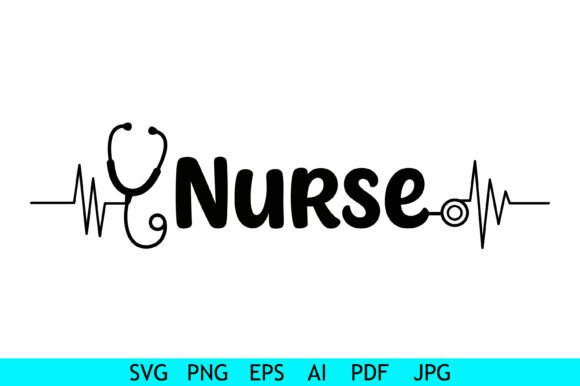
As an embroidery designer who works with clients from craft fairs to hospital gift shops, I see a lot of medical-themed designs. Many are overly complex or too cartoonish. When I first opened the Nurse Stethoscope Heartbeat Line Design, my impression was one of clean, professional affection. It’s a graphic that gets the mood right: appreciative, respectful, and quietly celebratory. The layout is balanced, the heartbeat line adds a dynamic but simple detail, and the overall shape feels both modern and timeless. This isn’t a flashy cartoon; it’s a design with a visual personality that suits a genuine gift.
Where This Design Finds Its True Home
In my workflow, a design earns its place by fitting seamlessly into real projects. This one naturally belongs on items meant for recognition and gratitude. Picture a custom embroidered tote bag for a nursing student graduating, or a cozy sweatshirt for a seasoned nurse. I’ve used it on a simple pillow cover for a nurse’s lounge area, and it looked perfectly appropriate. The scale and detail level make it excellent for baby clothes or blankets for a newborn in a healthcare family—it’s sweet without being childish. As a patch on a cap or an apron, it becomes a badge of pride. For small business merchandise targeting medical staff, or for Etsy listings selling personalized gifts, this design adds value because it feels authentic.
Seeing It Through the Hoop: Practical Embroidery Considerations
The real test is how it translates from screen to stitches. The Nurse Stethoscope Heartbeat Line Design has elements that require a practical eye. The heartbeat line and the stethoscope tubing are the key features. On a medium to large hoop size, these lines will stitch out with clarity, likely using a running stitch or a light satin stitch. However, on very small hoop sizes, like for a tiny baby bib or the curved surface of a cap, those fine lines need attention. You must check the stitch density in your embroidery file to ensure they remain distinct and don’t get lost or become too dense.
This design performs beautifully on stable fabrics like cotton for tote bags or pillow covers. On textured fabrics like some sweatshirt materials, or on thin, stretchy fabric for t-shirts, you’ll need the right stabilizer to keep the clean lines sharp. I always test it on scrap fabric first, especially on dark fabric backgrounds. The contrast between the suggested thread colors and the fabric is crucial here—a bright, clean white or a soft blue often works well to maintain visual appeal and stitching clarity.
Spots Where a Careful Hand is Needed
While versatile, some applications demand extra caution. The detailed corners where the heartbeat line meets the stethoscope earpieces could become crowded if scaled down too much. On layered garments with pockets or seams, placement is key to avoid a distorted stitch. For products that need frequent washing, like kitchen towels or everyday apparel, ensuring the stitch area is secure and not too sparse will affect longevity. It’s not a design I’d automatically use for tiny, intricate lettering; its strength is in the graphic symbol. For dark fabrics, a black and white mockup review before stitching helps visualize the final look.
The Impact on Your Project and Your Customer
Using a design like this isn’t just about the stitches; it’s about the story it tells on the finished product. When a customer—perhaps a family member buying a gift—sees this embroidered on a item, it creates instant recognition and a sense of thoughtful professionalism. It boosts the product’s value because it’s specific and meaningful. For a craft business, it enhances brand consistency if you specialize in appreciation gifts. The design’s giftability is high; it feels personal without being overly sentimental. It engages buyers because it solves a specific need: how to honor someone in the medical field in a tangible, handmade way.
Notes from the Worktable for Fellow Designers
Before you run this machine embroidery design for a client order or your own small shop product, here’s my practical checklist. First, always test on scrap fabric that matches your final project fabric. Review the stitch density and the small details in your software. Confirm the hoop size you intend to use can accommodate the design cleanly. Since the product description lists multiple formats like SVG, PNG, and EPS, you have flexibility for printable mockups and editing, but for embroidery, you’ll be using the specific embroidery file format compatible with your machine. Crucially, check the licensing terms provided with the files. Before selling finished items or using it in commercial embroidery projects, confirm it’s cleared for commercial use. This step protects your business and builds customer trust.
Think about thread color contrast. On a light background, a classic medical blue or green works. On dark fabric, a bright, crisp white might be best. Use proper stabilizer, especially for stretchy or textured applications. And remember, this design works as a standalone graphic. It doesn’t need extra decorative accents; its power is in its simplicity. Whether you’re creating a personalized gift for a friend or stocking your Etsy seller shop with holiday embroidery ideas for healthcare workers, the Nurse Stethoscope Heartbeat Line Design is a reliable, appealing asset. It’s a graphic that, when stitched with care, turns a simple item into a statement of thanks.