A Nurse's Heart: More Than a Simple Medical Design
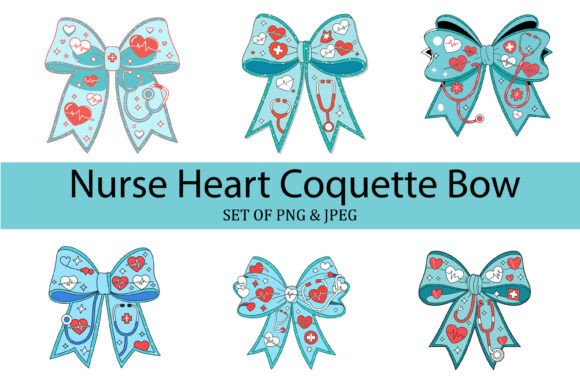
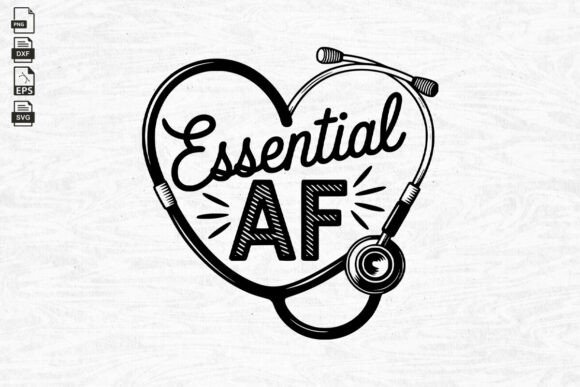
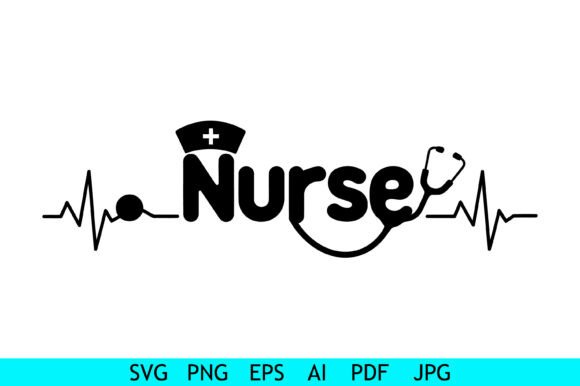
When an embroidery file lands in your library, the first thing I look for is not just its technical specs, but its soul. The Nurse Cap Stethoscope Heartbeat Design immediately presents a clear, focused narrative. It’s not a generic medical icon; it’s a composed emblem of care. The classic nurse’s cap, the looping stethoscope, and the integrated heartbeat line create a thoughtful, unified symbol. This isn't about hype; it's about recognizing a design that carries a specific, appreciative mood. It feels respectful, professional, and heartfelt—perfect for projects that aim to honor or celebrate the medical community.
Where This Design Finds Its True Home
In practical terms, this design naturally belongs on items meant for recognition, gratitude, or personal identity. Picture a custom embroidered tote bag for a nursing student graduating, or a subtly placed motif on the chest of a cozy sweatshirt for a seasoned nurse. I can immediately envision it as a beautiful, standalone patch, applied to a canvas bag or a denim jacket. It has the clarity to work wonderfully on a crisp apron for a home health caregiver or as a delicate accent on a baby blanket for a new mom who's a nurse. For small business owners crafting holiday gifts or boutique merchandise, this design elevates a simple product into a personalized, meaningful statement.
The Real-World Embroidery Test: Stitching It Into Life
Moving from preview to actual stitching is where a design proves its worth. The Nurse Cap Stethoscope Heartbeat Design, with its defined shapes and clear lines, should translate well into satin stitches for the cap and stethoscope, and a running or fill stitch for the heartbeat line. Its success hinges on thoughtful execution. On a dark fabric, like a navy sweatshirt, you'll need to plan thread color contrast carefully—a bright white or soft cream for the cap would pop beautifully. For a lightweight fabric, like a tea towel, stabilizer choice is crucial to prevent puckering, especially around the denser areas of the cap.
One real-life scenario I often consider is embroidering this onto a curved surface, like a baseball cap. The design's relatively compact and balanced layout suggests it could adapt well, but you must test hoop size and placement to ensure the stethoscope curves don't distort. Similarly, on a textured fabric like a knit blanket, the finer details of the heartbeat line need a stable hoop and appropriate stitch density to remain clear. Always, always stitch it out on a scrap of your target fabric first. This isn't just a precaution; it's how you learn the design's personality on your machine and materials.
Careful Considerations for Optimal Results
While the design is versatile, some applications demand extra attention. If you're thinking of miniaturizing it for a small hoop on a baby item’s sleeve, inspect the small details in your test run. The heartbeat line and the stethoscope earpieces need to remain distinguishable. On stretchy fabrics, like t-shirts, use a sturdy stabilizer to maintain the design's integrity after wear and washing. For products destined for frequent laundering, such as kitchen towels or everyday apparel, a robust fill stitch in the main elements will ensure longevity and preserve that professional, handmade presentation.
The design's value in a commercial or small shop context is significant. It offers a ready-made, professional graphic for craft businesses and Etsy sellers creating digital product mockups or finished embroidered goods. Its clear theme builds customer trust—a buyer looking for a nurse gift immediately recognizes and connects with the symbol. For brand consistency, if your shop focuses on medical appreciation or personalized gifts, this design becomes a strong, coherent asset.
Practical Notes from the Hoop
My final advice always circles back to preparation. Before committing this design to a client's project or your own shop merchandise, do these simple checks. Run a test in both light and dark fabric mockups, even digitally, to visualize the final appeal. Confirm the exact file formats you received—like SVG, EPS, or AI—are compatible with your embroidery software and any digital product listings you plan. Most importantly, understand the licensing. Can you use it for commercial embroidery projects, selling physical items like patches and tote bags? Can you include it in digital product bundles? Never assume; always confirm. This protects your business and respects the designer.
The Nurse Cap Stethoscope Heartbeat Design is a thoughtful tool in your creative toolbox. It’s not a flashy trend; it’s a durable, meaningful emblem. When stitched with care onto the right product, it transforms fabric into a token of respect and recognition. That’s the real power of a well-conceived embroidery file—it helps you, the maker, tell a story that matters.