Caduceus Medical Cross: An Embroidery Design Review
When you’re sourcing an embroidery design for real projects, especially for client work or your own product line, you look past the preview image. You’re thinking about how it will stitch out, how it will feel in hand, and what kind of story it tells on the finished product. Today, I’m looking at the Caduceus with Medical Cross Silhouette from a practical, in-the-hoop perspective.
First Impression: Clean, Recognizable, and Universally Respectful
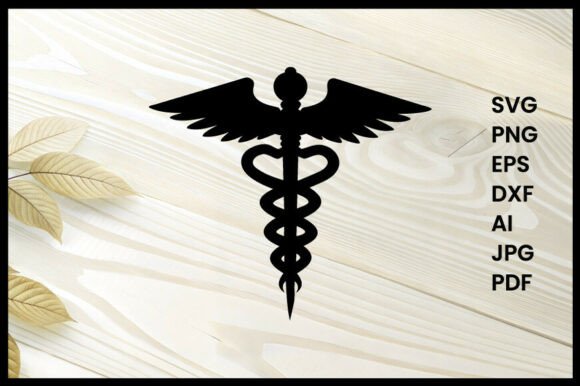
The first thing that strikes me about this design is its clarity. A black silhouette of the Caduceus symbol, merged with a medical cross, on a white background creates an image that is immediately understood. This isn’t a whimsical or decorative piece; it carries a weight of meaning. The mood it creates is one of professionalism, care, and respect for the healthcare field. For an embroidery designer, this means the design’s visual personality is straightforward and authoritative. It naturally belongs to projects meant for medical professionals, caregivers, hospital volunteers, or anyone wanting to celebrate the medical community.
Imagine you’re preparing a custom embroidered tote bag for a group of nurses. You want a design that honors their work without being overly cute or casual. This Caduceus Medical Cross silhouette fits that role perfectly. Its clean lines suggest it will stitch out with sharp definition, making the finished product look intentional and high-quality.
Where This Design Shines in Real Projects
In practical embroidery situations, this design’s strength is its versatility across product types, provided the context is right. Let’s walk through some scenarios.
For custom apparel like sweatshirts or polo shirts for a clinic staff, the design offers a clean, unifying logo. On tote bags or aprons, it becomes a statement of purpose. For personalized gifts—a tea towel for a retiring doctor, a pillow cover for a nurse’s lounge—it adds a touch of meaningful decoration. In a craft business setting, such as an Etsy shop specializing in medical-themed gifts, this design could be the centerpiece of a whole product line: embroidered patches for backpacks, caps, or baby clothes for families in the medical field.
The silhouette style also makes it excellent for digital product sellers. It can be used in printable mockups to preview products or as a design asset itself for those selling embroidery files. Because the symbol is so recognizable, it boosts customer trust and engagement; buyers instantly know what the product represents.
The Giftability Factor and Professional Appeal
When I think about holiday gifts or wedding gifts for someone in healthcare, an embroidered item with this design feels thoughtful. It’s not generic. The handmade presentation, with crisp stitching of this respected symbol, elevates the gift’s value. For a small shop product or boutique branding, using this design on merchandise communicates a clear niche, helping build brand consistency around themes of care and service.
Points of Caution for the Practical Embroidery Designer
While the design is strong, its successful application depends on mindful execution. Here are areas where you should proceed carefully.
The design’s detail lies in its outline and the merging of two symbols. On small hoop sizes, the intertwined elements of the caduceus and cross need to be checked. If the design file isn’t optimized for very small scale, those details might lose clarity. Always test on scrap fabric first.
Because it’s a solid silhouette, stitch density is a key consideration. On thin fabric or stretchy fabric like t-shirts, a dense fill stitch could make the area stiff. Using a proper stabilizer is non-negotiable here.
Embroidery on dark fabric requires planning. The preview shows a white background, but for real use, you’d likely be stitching the silhouette itself in a contrasting color (like white or silver thread) onto a dark garment. This reversal needs to be tested to ensure the shape remains distinct. Similarly, on curved surfaces like caps, the design’s proportions should be reviewed to avoid distortion.
The design lacks tiny lettering or overly decorative accents, which is a benefit, but the corners and points of the symbols should be inspected in a test stitch-out to ensure they are sharp and not frayed by the running stitch or satin stitch outlines.
For products that need frequent washing, such as kitchen towels or baby items, a densely filled area might hold up better than a delicate outline, but again, testing on the actual fabric texture you intend to use is crucial.
Practical Designer Notes Before You Hoop It Up
Before committing this design to a client project or your next batch of craft fair products, here’s my checklist.
- Test, test, test. Run the embroidery file on a scrap of your target fabric. Look for clarity in the merged symbol details.
- Check thread color contrast. For the classic look, high contrast is key. Consider white on dark blue, black on white, or even metallic threads for a premium feel.
- Review the design in black and white mockups. This helps visualize it on different backgrounds before stitching.
- Confirm your hoop size can accommodate the design at the scale you want. Don’t assume; verify.
- Use the appropriate stabilizer for your fabric choice to prevent puckering, especially with a solid silhouette fill.
- Most importantly, if you are selling the finished embroidered items or using the design for commercial embroidery projects, you must confirm the licensing terms of the digital file. The product description mentions "JUST DOWNLOAD AND PRINT YOUR OWN," but for commercial use, clarity on the license is essential. Do not proceed without confirming this.
Final Thoughts on Stitching This Symbol
The Caduceus with Medical Cross Silhouette is a design with a clear mission. It won’t be the right fit for every project in your queue, but when you need a design that speaks to medicine and healthcare with respect and clean aesthetics, it’s a compelling choice. Its value lies in its instant recognition and the professional tone it sets on a handmade product. For embroidery designers and makers serving this niche, it’s a design asset that, when stitched with care, can turn a simple tote, sweatshirt, or patch into a meaningful and valued item.
Approach it with the practical steps above, and you’ll likely find it becomes a reliable part of your toolkit for projects that honor care, health, and service.