Nurse Life: A Designer's Review for Practical Embroidery Projects
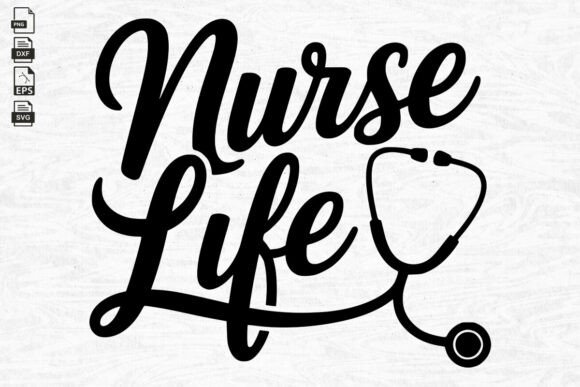
When I first saw the Nurse Life embroidery design, my immediate thought was, "This is for a tote bag." Not just any tote, but one meant for a nurse who carries her life—and perhaps her lunch, coffee, and an extra pair of scrubs—with her every day. The design's clean, bold statement style has a confident, friendly personality that feels less like generic clip art and more like a wearable badge of honor. It's a graphic that understands its audience.
The Mood It Creates & Where It Naturally Belongs
The layout is straightforward, which in embroidery terms is a gift. There’s no overly fussy detail that will turn into a dense, stiff stitch area. This means it’s primed for projects where clarity and a quick read are key. Think of a busy nurse; she (or he) wants the message to be seen and understood instantly. This design creates a mood of professional pride with a touch of personal flair. It doesn’t scream; it states.
In my practice, this kind of embroidery file naturally fits onto durable, everyday items. A sturdy canvas tote bag is the perfect first project. It also sings on the left chest of a sweatshirt or hoodie—a classic spot for a profession-themed design. For a more personalized gift, embroidering it onto a neat apron for a home-health nurse feels thoughtful. The simplicity makes it adaptable: it could scale well for a baby bib as a gift for a new nursing mom or become a clean patch to iron onto a backpack.
Performance in Real-Life Embroidery Situations
Let's walk through a real scenario. You’re preparing a custom embroidered sweatshirt for a client who runs a small boutique selling handmade products for healthcare workers. You load the Nurse Life SVG, size it appropriately for a 5x7 hoop area on the front, and select your threads. The beauty here is the lack of tiny, intricate corners. Those are the spots where stitch density can become a problem, leading to puckering or thread breaks. This design, with its bold elements, should translate to smooth satin stitches for outlines and solid fill stitches for the main shapes, provided your machine settings are correct.
On textured fabrics like a heavyweight sweatshirt, you’ll need the right stabilizer to prevent the design sinking into the knit. On a smooth cotton apron or tote bag, it will sit crisply. For baby clothes or thinner fabrics, you’d want to test the design’s default density first on scrap material; you might need to adjust it to keep the fabric from becoming too stiff for a delicate item. The design’s visual weight makes it a strong candidate for dark fabric backgrounds with bright thread, or light backgrounds with bold, dark threads for contrast.
Where to Use It With Care
While adaptable, some applications need extra consideration. On highly stretchy fabric like certain t-shirt materials, the larger fill areas could potentially distort if not stabilized properly. Embroidering it onto a curved surface like a cap requires careful hooping and possibly resizing to fit the curved template without losing integrity. The most crucial point: if the design includes very small lettering within the "Nurse Life" text, those tiny details might not stitch cleanly on a very small hoop size or on rough-textured fabric. Always inspect the separated elements in your software before loading the needle.
Impact on Visual Appeal, Value, and Trust
From a business perspective, this matters. When you stitch this design onto a product, its clean execution adds to the perceived product value. A customer—whether a nurse buying a gift for herself or a family member purchasing a personalized gift—sees a professional, crisp result. That builds customer trust in your craftsmanship. For an Etsy seller or small shop, using a design that stitches out reliably means consistent quality across orders, which is the bedrock of brand consistency.
The design’s straightforward nature also boosts giftability and recognition. It’s immediately understood, which is half the battle in craft business items. On a pillow cover or tea towel for a nurse’s kitchen, it feels celebratory rather than cluttered. This clarity translates directly to better buyer engagement in your online listings; a clean printable mockup or photo of the actual finished product will look professional and desirable.
Practical Designer Notes Before You Stitch
My habitual advice for any new design, including Nurse Life, is this: test it on scrap fabric first. Use the same material you intend for the final project. This tells you everything. Check the thread color contrast against your background fabric. Does it pop? Review the stitch density by feeling the test patch—is it too stiff for the intended item? Confirm your machine’s hoop size can accommodate the design at the size you want without forcing awkward scaling.
I also recommend testing the design in black and white digital mockups. This helps you visualize how it will look on both light and dark backgrounds, planning your thread palette. Always use proper stabilizer; it’s the unsung hero of clean embroidery. Finally, a critical step for any digital embroidery file: check the licensing terms provided with the design. Confirm whether it’s cleared for both personal and commercial embroidery projects before you sell the finished items. This protects your business and respects the digital artist.
The Final Stitch: A Reliable Asset for Makers
The Nurse Life embroidery design strikes me as a reliable, versatile design asset. It’s not trying to do too much, which in embroidery is often the secret to success. It provides a strong, recognizable graphic that can become a part of someone’s daily life—on their bag, their apparel, or their home decor. For the embroidery designer, creative entrepreneur, or hobbyist looking to create meaningful custom apparel or gifts, it’s a solid choice. Its performance hinges on your skill and preparation—testing, stabilizing, and choosing the right project canvas. But the design itself gives you a clear, confident foundation to build upon. That’s the kind of file that makes both the stitching process and the final product feel professionally done, from the first hoop-up to the customer’s delighted reaction.