The Heartbeat Line SVG: A Designer’s Honest Review
Every year, I see hundreds of embroidery designs, but only a handful feel like they have a genuine story to tell. Today, I’m looking at the Heartbeat Pulse Line with Heart SVG. As a designer who works on custom apparel and gifts for clients, I’m always evaluating a graphic’s potential not just on screen, but in thread and fabric. This isn’t a sales pitch—it’s a practical walk-through of how this design might perform in your next real project.
The First Impression: Quietly Powerful
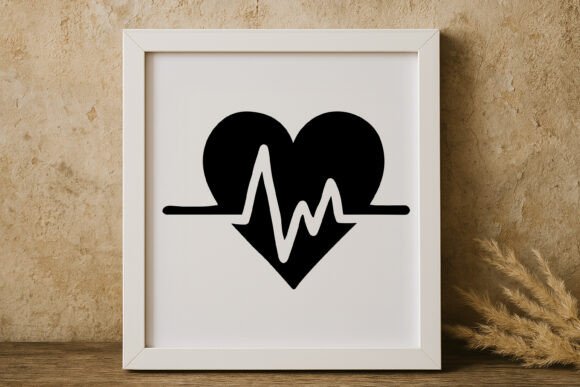
From a designer’s eye, the core concept here is beautifully clear. It’s a heartbeat line culminating in a heart. This isn’t a loud, flashy graphic. Its power lies in its symbolism and simplicity. The mood it creates is one of quiet dedication, love, or passion—depending on the context you place it in. For embroidery, this is a strong starting point. The layout is linear and focused, which translates wonderfully to a clean satin stitch or a precise running stitch outline. There’s a visual personality here that feels modern, heartfelt, and versatile. It doesn’t scream “baby” or “wedding” exclusively; it’s adaptable.
My immediate thought for an embroidery project was a custom tote bag for a nurse or a medical student. It’s a perfect, personalized gift that speaks directly to their profession and passion. But it could equally grace a simple sweatshirt as a statement of personal dedication, or become a subtle, beautiful patch on a baby blanket to symbolize a parent’s love.
Where This Design Shines in Real Projects
In practical embroidery situations, this graphic’s linear nature is its biggest asset. On apparel like t-shirts and sweatshirts, especially when placed on the chest or sleeve, it will stitch out with excellent clarity. The continuous line means fewer tiny, intricate corners that can challenge some machines, leading to a clean finished product.
For craft business items, think about applications where symbolism adds value. A simple embroidered pillow cover or a kitchen towel with this design becomes a thoughtful gift, not just a decorative item. For Etsy sellers or boutique owners, this can elevate a basic product. An apron for a healthcare worker, a cap for a dedicated runner—the design communicates a narrative, which increases buyer engagement and the perceived value of your handmade product.
It also works brilliantly for digital product sellers creating printable mockups or design assets. The clean lines make it easy to visualize on various products in previews, aiding in commercial embroidery project planning for clients.
Potential Pitfalls & Fabric Considerations
While the design is strong, its successful embroidery depends on your execution. The linear detail, particularly the pulse line variations, requires attention on smaller hoop sizes. On very textured fabrics like some towels or blankets, or on stretchy fabric like certain t-shirts, you’ll need to use proper stabilizer to maintain that crisp line definition.
Dark fabric is a classic challenge. The heartbeat line, depending on its thinness, might need a bold thread color contrast to stand out clearly. I always advise testing on scrap fabric first. Also, be mindful of the heart element at the end. If it’s small, its stitch density needs to be checked to avoid a bulky, dense area that could pucker on thin fabric. For curved surfaces like caps, the long line might need thoughtful placement to follow the curve naturally.
Building Customer Trust with a Clean Stitch
From a commercial standpoint, how a design stitches out directly impacts customer trust and your professionalism. A messy, unclear embroidery job can hurt your brand. The Heartbeat Pulse Line with Heart SVG, when stitched well, offers stitching clarity that feels premium. This consistency in your handmade presentation builds brand consistency for small shop products. A gift embroidered with this clear, symbolic design feels intentional and high-quality—its giftability is high because the meaning is instantly recognizable.
For craft fair products or Etsy listings, a photo showing this design cleanly embroidered on a tote bag or baby item tells a potential buyer exactly what they’re getting: a meaningful, well-made product.
Practical Notes Before You Hoop the Fabric
Before you commit this to a client project or your own merchandise, run through a few designer checks. Always test the embroidery file on a scrap of your target fabric first. This reveals any issues with stitch density or small details. Check thread color contrast by stitching it on both light and dark fabric backgrounds if you plan to offer both options.
Confirm the hoop size you intend to use can comfortably handle the design’s length. Inspect the small details in the test stitch—are the pulse variations distinct? Does the heart shape stitch closed cleanly? Use the appropriate stabilizer for your fabric type to prevent distortion.
Finally, and this is crucial for commercial use: confirm the licensing terms for this digital embroidery file before selling finished items or digital products. Understand whether it’s cleared for personal and commercial projects. This step protects your craft business and ensures you’re operating professionally.
The Final Verdict: A Versatile, Meaningful Asset
After this review, I see the Heartbeat Pulse Line with Heart SVG as a versatile and meaningful asset for makers. It’s not a design for every project, but for those where emotion, dedication, or personal connection is the goal, it’s exceptionally fitting. It belongs on curated personalized gifts, thoughtful boutique products, and custom apparel where the story matters as much as the stitch.
Its success hinges on your skill and preparation as an embroiderer—test it, plan your fabric and thread, and respect the licensing. When done right, this simple graphic can elevate a basic tote, sweatshirt, or patch into a product that resonates deeply. That’s the kind of embroidery design that not only sells but also genuinely connects with people, and from a designer’s point of view, that’s the ultimate practical value.