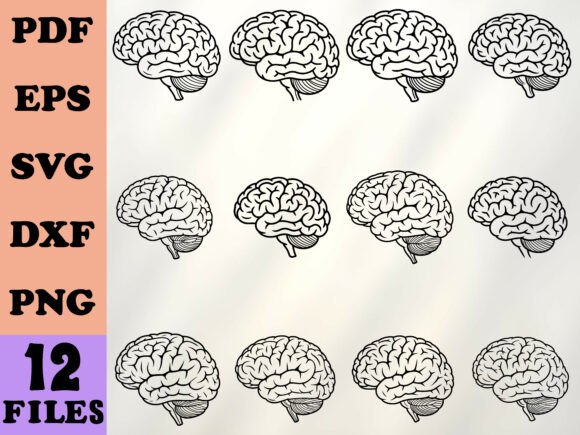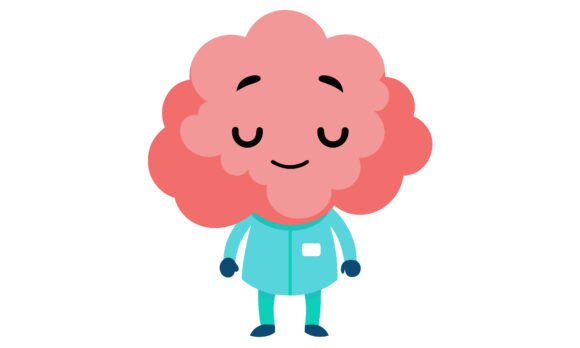
A Friendly Cartoon Brain for Medical-Themed Embroidery
When a client asked for a custom embroidered sweatshirt for a pediatric therapist, I knew the design needed to be both professional and warmly approachable. That’s when I found the Cartoon Brain Character in Medical design. My first impression was immediate: this isn’t a clinical illustration; it’s a character. The friendly, simplified shape creates a mood of intelligence and care, perfect for bridging serious themes with a lighthearted visual personality. It feels like it belongs on items meant to comfort, educate, or celebrate—not just on lab coats.
The Right Project for This Playful Design
The layout is clean and the detail level is thoughtfully balanced. There’s enough visual interest to make an embroidery project stand out, but not so much intricate linework that it becomes a nightmare on textured fabrics. In my judgment, this embroidery design naturally belongs to projects where you want to convey knowledge or support in a gentle way. I’ve considered it for:
- Custom apparel like sweatshirts or t-shirts for healthcare students or mental health advocates.
- Personalized gifts such as tote bags for therapists or embroidered patches for nurse lanyards.
- Small shop merchandise like pillow covers for a cozy office or aprons for a science-themed boutique.
- Baby embroidery on a blanket for a neurosurgeon’s newborn—a subtle, clever nod to the parent’s profession.
- Holiday embroidery as a unique gift for a doctor friend, moving beyond generic motifs.
It’s a versatile digital embroidery file, but its true strength is in niche, meaningful applications. On a cap, it would be a recognizable badge of passion; on a kitchen towel in a doctor’s home, it’s a fun daily reminder of their work.
Where Stitching This Design Gets Tricky
In real-life embroidery situations, a design’s charm can turn into a practical challenge. For the Cartoon Brain Character in Medical, performance depends heavily on context. It will stitch up beautifully on mid-weight, stable fabrics like cotton twill for a tote bag or a firm polo shirt. The shape is likely to hold its clarity with clean satin stitch outlines and fill stitch areas.
However, use it carefully on:
- Small hoop sizes: If you try to shrink it down for a tiny patch, some of the character’s friendly proportions might get lost.
- Stretchy or thin fabric like a standard t-shirt without proper stabilizer; distortion could soften those important curves.
- Dark fabric backgrounds without planning thread color contrast. A light brain on a dark sweatshirt needs bright, opaque thread choices.
- Products needing frequent washing: High stitch density in small areas can wear faster. Consider this for baby clothes or work aprons.
- Curved surfaces like caps: The central, rounded shape is actually a good candidate, but always test placement to avoid awkward stitching over seams.
The design isn’t overly dense, which is a plus, but always test it on scrap fabric first. This is my non-negotiable rule for any embroidery file going into client work or my craft business inventory.
Turning a Digital File into a Trusted Finished Product
How does this cartoon brain affect the final product’s value? From a commercial embroidery perspective, it adds a layer of thoughtful customization. For an Etsy seller offering personalized gifts, it moves beyond decoration into storytelling. A customer receiving an embroidered pillow with this design feels you understood a specific part of their identity. That builds customer trust and elevates the handmade presentation.
For brand consistency, if your small shop focuses on medical humor or educational crafts, this design asset becomes a cohesive part of your lineup. Its professionalism comes from its clean execution, not from a sterile aesthetic. This directly boosts buyer engagement—people connect with friendly characters.
A Designer’s Practical Notes Before Hooping
Before you run this embroidery design for a real project, here’s my on-the-ground advice. Since the product description notes it’s provided in SVG and EPS formats, confirm your machine software compatibility. For embroidery, you’ll likely be converting or using it as a template for digitizing into stitch files.
- Check thread color contrast in both light and dark fabric mockups. A simple black and white preview can help judge shape integrity.
- Review stitch density in your digitized version. Aim for a balance that makes the brain feel substantial without puckering the fabric.
- Inspect small details like any interior lines. Ensure they are wide enough to be stitched clearly, not as fragile running stitches.
- Confirm hoop size and placement. The design likely has a natural center point; use it.
- Use proper stabilizer appropriate to your base fabric. This is key for stitching clarity on any finished product.
- Check licensing before selling finished items or digital products. The description mentions it’s a digital design ideal for use, but always verify the specific terms for commercial embroidery projects.
Whether for a one-off personalized gift or for stock in your craft business, this design has the visual appeal to become a conversation piece. It’s more than a graphic; it’s a ready-made idea for an embroidery project that feels both clever and kind. My final judgment? The Cartoon Brain Character in Medical is a confident choice when you want to stitch something with heart and a smile, for clients, customers, or friends who appreciate a brainy bit of warmth.